
Consider the allegory of a master illusionist who, on the grand stage of global theater, effortlessly untangles the most complex conundrums, drawing thunderous applause from the spectators. Yet, when he returns to his own modest abode of clay, the cold, unlit stove and the dark corners mock his artistic prowess. In the contemporary era, the strategic identity of the Pakistani state has become akin to this illusionist: its external face glows with the cosmetics of geopolitical triumphs, while its domestic fabric disintegrates under the weight of economic deprivation. When the scorching deserts of the Middle East were engulfed in gunpowder and the ominous shadows of war loomed from Washington to Tehran, Pakistani leadership stepped forward as a daring mediator, altering the course of global politics. The extraordinary commendation of this peacekeeping role by US President Donald Trump is not merely a routine diplomatic gesture; it is an international validation of the strategic weight wielded by the country’s military and civil leadership. Yet, the tragedy remains: when the glitter of this international medal reaches the impoverished alleys of Islamabad and Karachi, the kitchen budget of the common citizen melts under its intense heat. This is the stark contradiction where the veneer of diplomacy fades, exposing the raw reality of economic destitution.
The bitterest truth of this tragedy lies buried in the cold storage of the Pak-Iran Gas Pipeline project. This project was never just a line of steel pipes; it was a grand dream of Pakistan’s energy self-reliance, destined to be the pinnacle of regional geoeconomics. Tehran demonstrated its unilateral resolve by laying the pipeline up to its border. However, the economic spell of Washington cast over the Pakistani capital, coupled with the dread of potential sanctions, froze this entire dream in its tracks. Capitalizing on this strategic hesitation, India once a partner in this venture withdrew from the triangle, having calculated the threat of a potential one-billion-dollar annual transit fee flowing into Pakistan’s pocket. Now that Pakistan has consolidated its position as a credible peacemaker and mediator in the region, it is only natural to ask: why do we not weaponize this diplomatic triumph to safeguard our economic interests? The need of the hour is to vigorously pitch this narrative in the corridors of Washington: a state capable of guaranteeing global peace must be granted an exemption from sanctions on Iranian gas just to draw its economic breath. Until foreign policy is tied to the cheap supply of petroleum products and trade balance, international praise will remain a fruitless trophy.
On the western front, history is staging a drama where the very curriculum of gratitude has been completely defaced. For half a century, Pakistan sheltered Afghan refugees in its embrace, fought their case on every global platform, and stood by them at history’s most critical junctures. Yet, the moment they ascended the throne of Kabul, the Afghan Taliban cast aside all moral and brotherly principles, plunging a strategic dagger into the back of their benefactor state. Under the current patronage of Kabul, anti-Pakistan terrorist elements not only enjoy safe havens but training camps actively operating against our security. Exploiting this geographical instability, India which shares no border with Afghanistan has established its network of influence there to fuel fourth-generation warfare against Pakistan. The resulting border tensions have dealt an irreparable blow to Pakistani traders and agricultural exports, shaking our agrarian and commercial structures to their core.
On the eastern front, India has intensified its water aggression, raising the bogey of unilaterally suspending the Indus Waters Treaty a direct conspiracy targeting Pakistan’s agricultural survival. This water crisis is not a mere technical dispute; it is a strike at the very jugular vein of our national existence. The time has come for Pakistan to utilize its recent international prestige as diplomatic leverage against these hostile maneuvers from both Kabul and New Delhi. It is imperative to stop India’s water theft and make the Afghan leadership realize its bilateral responsibilities through the cooperation of friendly nations and international arbitration forums. History bears witness that perpetual wars can never be an alternative to prosperity; real power always returns to the negotiation table. In this regard, the Chinese model serves as an intellectual beacon. Beijing bypassed its complex border disputes, focusing its entire energy on domestic economic reforms and human resource development, eventually emerging as the world’s leading economic powerhouse.
This entire intellectual tapestry of regional and global successes will remain incomplete until we find a cure for our domestic political chaos. Why does the same leadership acumen and strategic wisdom that can build bridging compromises between sworn adversaries like the United States, Israel, and Iran fail to bring our own political leaders to a single table? Pakistan’s economic crisis is a direct reflection of our political polarization. The unavoidable demand of the times is for all stakeholders, state institutions, and political leadership to set aside personal egos and past bitterness to sign a long-term ‘Charter of Economy.’ Until the tree of political stability takes root domestically, the fruits of international diplomacy will never reach the dinner table of the ordinary Pakistani. Eradicating intellectual chaos and forging national unity for economic survival is no longer an optional choice; it is our sole and ultimate condition for survival.
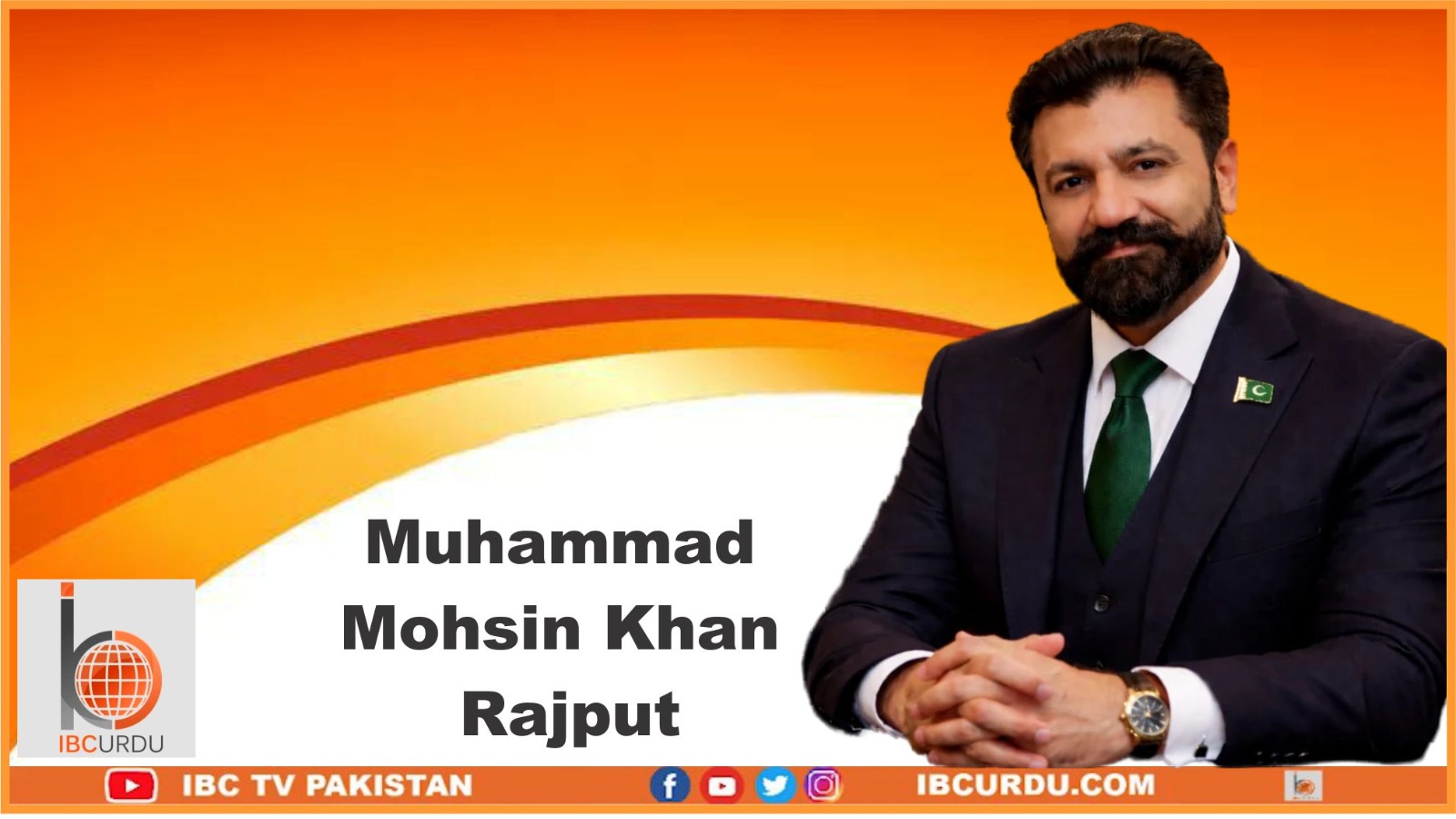
The columnist is the first elected President of the Pakistan Federal Union of Columnists and Creators (PFUC), Karachi Chapter.
Leave a Reply