
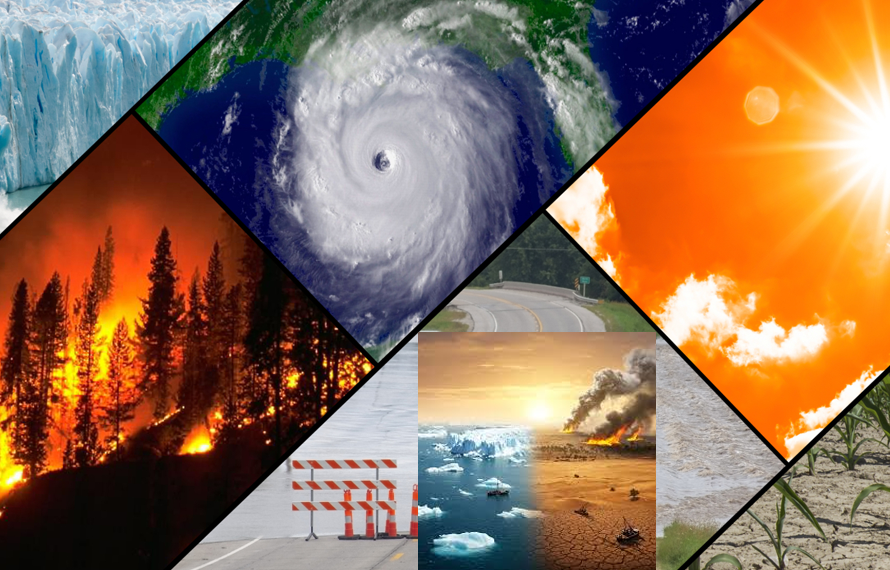

Climate change has become one of the defining challenges of our time. What was once discussed as a future risk is now the present reality, reshaping weather patterns, damaging ecosystems, and threatening lives across the world. Rising temperatures, extreme floods, prolonged droughts, and deadly heatwaves are no longer isolated events, they are part of a global crisis driven largely by human activity.
While climate change affects every region of the planet, its impacts are not shared equally. Countries that have contributed the least to global pollution are often the ones suffering the most severe consequences. Pakistan stands as a clear and painful example of this imbalance.
Who Is Responsible for Climate Change?
The primary drivers of climate change are greenhouse gas emissions produced through industrialization, fossil fuel consumption, deforestation, and large-scale manufacturing. For more than a century, major industrial economies have relied heavily on coal, oil, and gas to fuel growth and development.
Countries such as the United States, China, India, Russia, and several industrialized European nations are responsible for the largest share of global carbon emissions. These countries built their economies through energy-intensive industries, mass transportation systems, and high levels of consumption. Historically and currently, they remain the biggest contributors to atmospheric pollution.
In contrast, Pakistan’s contribution to global carbon emissions is less than one percent. It is not a heavily industrialized country, nor does it consume energy at levels comparable to developed nations. Despite this, Pakistan consistently ranks among the world’s most climate-vulnerable countries.
Why Pakistan Is Suffering More
Pakistan’s vulnerability lies in its geography, economic structure, and limited resources. The country stretches from Himalayan glaciers in the north to coastal areas in the south, making it highly sensitive to changing climate patterns.
The devastating floods of 2022 highlighted this vulnerability in dramatic terms. Unusually intense monsoon rains, linked to rising global temperatures, displaced millions of people, destroyed homes, damaged infrastructure, and submerged vast agricultural lands. Scientists and climate experts have pointed to warming sea temperatures and altered monsoon systems as key factors behind such extreme events.
Beyond floods, Pakistan faces severe water stress. Melting glaciers threaten the long-term flow of the Indus River system, while erratic rainfall and increasing evaporation are pushing regions like Sindh and Balochistan toward drought-like conditions.
Food, Health, and Urban Challenges
Agriculture remains the backbone of Pakistan’s economy and employs a significant portion of the population. Climate change is putting this sector under immense pressure. Changing weather patterns, declining crop yields, pest outbreaks, and water shortages are making farming increasingly unstable, raising serious concerns about future food security.
Read More:NDMA Issues Weather Alert for Heavy Snowfall in Northern Pakistan
Urban areas are also under growing strain. Cities like Karachi and Lahore experience extreme heatwaves, worsening air pollution, and overstretched infrastructure. These conditions increase the spread of heat-related illnesses, waterborne diseases, and vector-borne infections, placing additional pressure on already fragile public health systems.
Pakistan’s Efforts and the Limits of National Action
Pakistan has taken important steps to address climate challenges. Initiatives such as the 10 Billion Tree Tsunami, efforts to promote renewable energy, improved disaster management planning, and participation in international climate forums demonstrate a growing commitment to climate resilience.
However, national efforts alone are not enough. Pakistan lacks the financial and technological resources required to fully adapt to the scale of the crisis it faces. This is where the principle of climate justice becomes essential.
Climate change is a global problem, but responsibility for it is unequal. Countries that have historically produced the most emissions bear a moral and practical obligation to lead the transition toward sustainability by providing financial aid, sharing green technology, and drastically cutting their own carbon footprints to support the vulnerable nations most affected by the crisis.
Leave a Reply