
Three words explain that: history, agency, and a global vision.
Pakistan is a product of a very strong ground-up movement of Indian Muslims to reclaim their dignity and a role in politics. That is why the freedom movement leaders’ speeches always had a global vision.
Tehrik-i-Khilafat by the Johar brothers, Rehmat Ali’s conviction in the form of his papers on the conception of a new homeland, Iqbal wrote for almost fifty years on anti-imperialism and the awakening of the Muslim mindset, Jinnah spoke of Palestine in the 1940s and went on to appoint prominent women to travel to the US and work with Eleanor Roosevelt in writing the global charter on human rights.
Sir Zafarullah Khan was active in the UN for freedom resolutions of key African states, so much so that a prominent African leader was given a Pakistani passport overnight to enable him to present his case when he was denied by colonial powers.
The early success in global engagement built the necessary capabilities in the foreign office to develop a relatively simple but workable engagement plan, dictated by threats from a much bigger and more influential neighbour. It was not a surprise to be ready to be at the frontline of the Cold War to fight Russian expansionism when they were investing heavily in Baloch and Pashtun nationalism.
Ayub, in his diaries as early as 1961, wrote that it was a matter of time before the Russians would capture Kabul, and the decision for Pakistan would be to either fight them in Kabul or in Pakistani territories, because that would not stop. Everyone wanted access to warm waters and the Strait of Hormuz one day.
Pakistani army officials’ high-profile engagement as partners with the Pentagon, West Point, and Langley for now almost 50 years—more intensely from 1979 to 1990 and 2001–2021—cemented that, so much so that they can withstand exceptions like the Biden administration’s indifference towards Pakistan, built on playing a role in China–India engagement through Henry Kissinger’s dramatic first visit to China. In the final years of Kissinger’s life, he acknowledged that he could call the Chinese premier anytime and receive calls from them regularly.
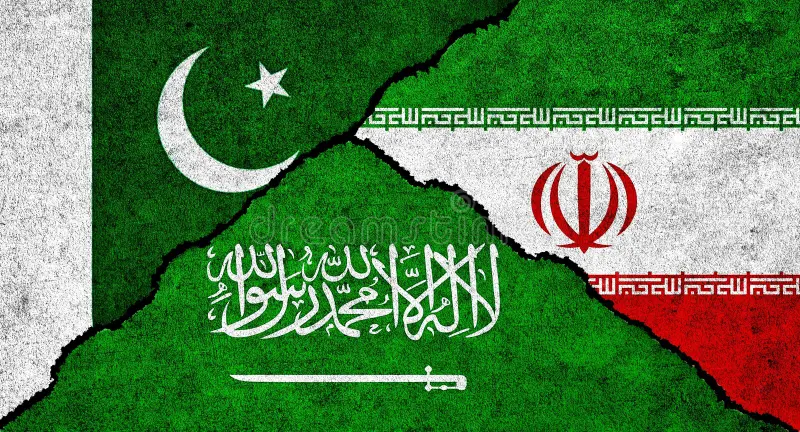
This global engagement, a sense of history, and willingness to claim and exercise their agency allowed Pakistani leadership to deepen relationships with neighbours and the Muslim world (China in the main, but also Iran, Bangladesh, Sri Lanka, the Gulf, and KSA), with equally close relationships with the UK.
So while I am so proud of how Pakistan played its role to prevent an all-out war and acknowledge that it would have its own roadblocks, I am full of praise for Field Marshal Munir, PM Shehbaz, and Ishaq Dar for pulling off one of the greatest diplomatic moments in modern times. And it came from three distinct experiences and memories of Pakistani leadership: history, agency, and a global vision.
Leave a Reply