
On April 22, 2025, a terrorist attack in the tourist town of Pahalgam, in Indian-administered Kashmir, claimed the lives of at least 26 people and injured 17 others.
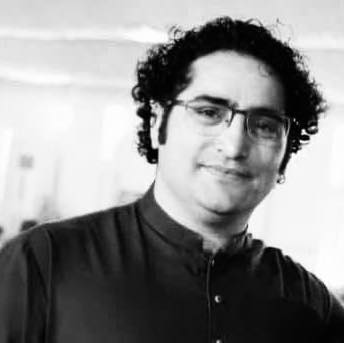
Following this tragic incident, I had the opportunity to express my views on an Indian TV talk show. During the conversation, it became painfully evident that the Indian media, rather than highlighting the real issues, attempts to provoke public sentiment through sensationalism and emotional slogans.
Link of discussion with India TV
My main argument was that the recent actions of the Indian government are, in fact, serving the agenda of the terrorists. This is precisely what the terrorists want — increased tension between the two countries, a permanent strain on relations, and continued instability in the region. This agenda also aligns with the interests of certain global powers and the arms trade lobbies, who profit from conflict and prefer South Asia to remain mired in strife.
Currently, the Modi government is facing mounting pressure from the opposition. The opposition’s criticism, combined with media scrutiny, has created ripples within the government. The announcements made by the Indian government in the wake of the attack are inadvertently furthering the objectives of the terrorist groups. The Modi administration has fallen into the trap laid by non-state actors. These groups have led Modi Ji to a point even the terrorists themselves may not have imagined reaching. This may serve to achieve a specific political goal related to Modi Ji’s popularity, but it will not deliver any real or lasting benefit. However, any gain achieved through such means will come at a great cost.
At this moment, it is the responsibility of both states to act wisely — to rely on reason and prudence rather than emotion — and steer the region toward peace instead of dragging it into yet another catastrophe. States must not rely on terrorists or so-called “non-state actors” to cover up their internal failures.
The Indian government has declared this attack the deadliest on civilians since 2008. Prime Minister Narendra Modi has vowed to bring the attackers to justice. Indian authorities have accused Pakistan of supporting the terrorists, a claim Pakistan has denied. In response, India has closed its land border with Pakistan, suspended the Indus Waters Treaty, and revoked visa facilities for Pakistani citizens.
The Pakistani government has condemned the attack and reiterated its political, diplomatic, and moral support for the people of Kashmir. Prime Minister Shehbaz Sharif stated that Pakistan seeks to resolve all issues, including Kashmir, through dialogue. He called on India to revisit its actions of August 5, 2019, and grant Kashmiris their right to self-determination in accordance with UN resolutions.
This incident could further escalate the already strained relations between India and Pakistan. Diplomatic tensions are likely to rise, and there is a growing sense that international intervention may be necessary to ensure peace and stability in the region.
Leave a Reply