
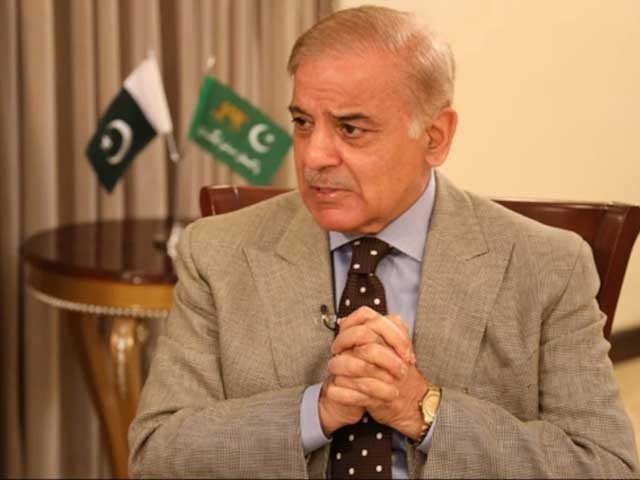
Shehbaz Sharif has announced a series of austerity measures aimed at reducing government expenditures and conserving fuel amid rising global energy prices and economic pressures. The measures, which will remain in place for the next two months, are designed to promote financial discipline and ensure responsible use of national resources.
According to the government’s plan, fuel allowances for official vehicles will be reduced by 50 percent, while the use of nearly 60 percent of vehicles employed by government departments will be temporarily halted. However, essential services such as ambulances and public transport buses will remain exempt from these restrictions.
In a move to demonstrate solidarity with the public during challenging economic conditions, the federal cabinet has decided to forgo salaries for the next two months. Additionally, parliamentarians will face a 25 percent reduction in their salaries, while senior government officials in BS-20 who earn more than Rs300,000 per month will see two days’ salary deducted.
The government has also directed all departments to reduce their overall expenditures by 20 percent. To further conserve fuel, offices in both the public and private sectors will operate four days a week, with 50 percent of staff working from home. However, sectors such as agriculture, industry, banking, and other essential services will remain exempt from these restrictions.
Educational institutions will also see temporary changes under the new policy. All higher educational institutions have been instructed to shift to online classes, while schools across the country will observe a two-week break starting at the end of this week.
The austerity package also includes a ban on the purchase of new vehicles, furniture, air conditioners, and other non-essential items for government departments. Ministers, advisers, and senior officials have also been barred from undertaking foreign trips unless deemed essential for the country’s interests.
To reduce unnecessary spending, official dinners and Iftar parties have been prohibited, while seminars and conferences will now be hosted within government premises instead of hotels. Authorities have also encouraged teleconferencing and online meetings as alternatives to physical gatherings.
These measures reflect the government’s efforts to manage resources more efficiently and address the economic challenges currently facing the country.
Leave a Reply