
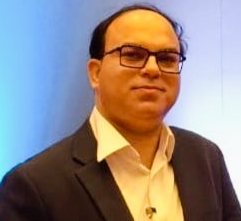
In a complex realm of affairs in socio-political landscape of Pakistani society, politics has always been about people & their voices, their struggles, and their hopes. Today, that space is slowly shifting into the digital world. As someone working in political communication with the leading political institutions across Pakistan, I see how Artificial Intelligence is beginning to change how politics works, how leaders connect with citizens, and how decisions are made.
In the next five years, AI will become a powerful tool in shaping political narratives. Political parties will use it to understand public sentiment, track issues that matter to people, and communicate more effectively. For example, in Sindh, where many communities are rural and depend on agriculture, AI can help governments predict floods, support farmers with weather data, and design targeted welfare programs. Through Digital Governance, citizens in remote areas can access services like land records, financial support, or health information without needing to travel long distances.
But this future is not without risks. We have already seen how misinformation spreads quickly on social media in Pakistan. With AI, fake videos and manipulated political messages, often called deepfakes can easily mislead people, especially where digital literacy is low. Laws like the Prevention of Electronic Crimes Act 2016 (PECA) exist to regulate online spaces, but they are often criticized for being unclear and sometimes limiting free expression. At the same time, proposed laws like the Personal Data Protection Bill 2023 are still evolving, and strong systems to protect citizens’ data are not fully in place.
Another major challenge is capacity. Many government institutions and political parties are still learning how to use AI responsibly. In rural Sindh, limited internet access and low digital literacy make it harder for people to benefit from these technologies and easier for them to be misinformed.
So, how should institutions respond? First, there is a need for clear and fair digital laws that protect citizens without restricting democratic voices. Second, investment in digital infrastructure especially in rural areas is essential. Third, political parties must commit to ethical communication, ensuring that AI is used to inform, not manipulate. Finally, citizens themselves must be empowered through digital literacy so they can question what they see and hear online.
AI is not just about technology it is about power. The real question is: who controls it, and who benefits from it? If used responsibly, AI can bring governments closer to the people, improve transparency, and strengthen democracy. But if left unchecked, it can deepen inequality and weaken trust.
The future of politics in Pakistan will not just be decided in parliament or on the streets,it will also be shaped on our screens. It is up to us to ensure that this digital future remains democratic, inclusive, and just.
Politics in Pakistan is no longer shaped only in rallies or parliament, it is increasingly shaped on our screens. As someone working in digital communication with the Pakistan Peoples Party, I see how Artificial Intelligence is rapidly changing how political messages are created, shared, and understood.
Despite of ground situation of education, access, freedom of expression in Pakistan, there is a great possibility that within the next five years, AI will help political parties read public sentiment, design targeted campaigns, and respond faster to people’s needs. In Sindh, where much of the population lives in rural areas, AI combined with Digital Governance can improve how governments deliver services from predicting floods to supporting farmers and expanding access to welfare programs.
But there is a darker side. AI can just as easily spread misinformation, deepfakes, and manipulated political narratives. In a country where digital literacy is uneven, this can confuse voters and weaken trust in democracy. Laws like the Prevention of Electronic Crimes Act 2016 (PECA) exist, but concerns remain about censorship and unclear safeguards. Meanwhile, data protection laws are still evolving, leaving room for misuse of citizens’ personal information.
The challenge is clear: will AI strengthen democracy or distort it?
The answer lies in how institutions respond. Pakistan needs transparent digital laws, stronger protections for data and free expression, and serious investment in digital literacy especially in rural Sindh. Political parties must also take responsibility for ethical communication.
AI is not neutral it reflects the values of those who use it. If guided by transparency and inclusion, it can strengthen democracy. If not, it risks becoming a tool of control rather than empowerment.
About Arshad Hussain Siddiqui:
He is a political and development practitioner working with the leading political Party as a SBCC & Policy adviser, he brings experience at the intersection of digital communication, governance, and social development, focusing on citizen engagement and inclusive policy advocacy. His work centers on using digital platforms to strengthen democratic participation and amplify marginalized voices across Sindh. He can be reached qazi.arshad.siddiqui@gmail.com
Leave a Reply