

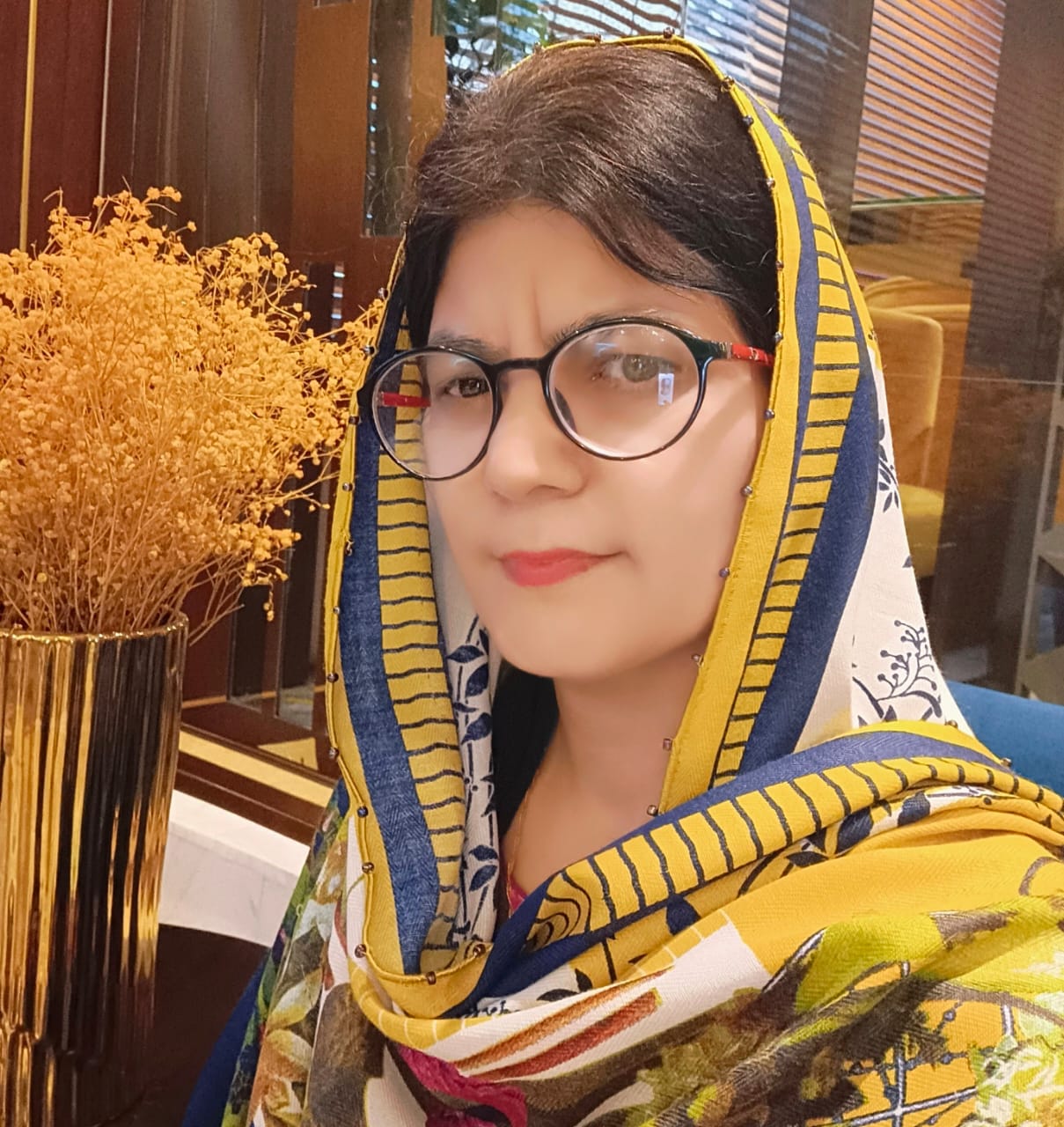
In Pakistan, women’s health issues are often overlooked, particularly those that emerge after a certain stage in life. Menopause, the permanent cessation of the menstrual cycle, is a natural biological process, yet many women remain unaware of its full impact.
This is the story of Razia Bibi, who is currently navigating the complex challenges of menopause. Her narrative highlights the physical health, emotional struggles, and social attitudes faced by an average Pakistani woman.
Razia Bibi’s Story: A Woman’s Journey
Razia Bibi, name changed for privacy, belongs to an urban area in Khyber Pakhtunkhwa. Currently 42 years old, she has been married for 16 years. Because her husband stays away from home most of the time due to work, she frequently experiences loneliness.
In Pakistani society, there is a strong cultural expectation to conceive shortly after marriage. When that does not happen, a woman often views herself through a lens of self-criticism or pity, even if her immediate family remains supportive. Razia felt this emotional void deeply. Although her husband and in-laws placed no pressure on her, she constantly felt incomplete.
Health Issues: From PCOS to Uterine Fibroids
Initial Phase: Irregular Periods and PCOS Diagnosis
Two to three years ago, Razia’s menstrual cycle became irregular, accompanied by severe pain. Initially, she ignored the symptoms, as women around her considered such issues normal. Eventually, a doctor diagnosed her with Polycystic Ovary Syndrome, also known as PCOS.
Treatment Attempts and the Cost of Delay
Razia sought treatment from local doctors, but her condition did not improve. Upon visiting a hospital in a major city for advanced diagnostic testing, she learned that her condition had worsened. Fibroids had formed in her uterus and ovaries, growing to a concerning size. Doctors advised immediate surgery to mitigate the risk of cancer.
Life After Surgery and the Onset of Menopause
Though the surgery was successful, a new ordeal began for Razia. She suffered from physical weakness, insomnia, bone pain, mood swings, and severe psychological distress. Sudden outbursts of anger, a racing heart, and panic attacks became part of her daily routine.
Razia’s personality shifted toward irritability and hypersensitivity. Her deep attachment to her husband turned into insecurity and oversensitivity. Friends and relatives failed to understand these behavioral changes, leaving her increasingly isolated.
Medical Diagnosis and Psychological Issues
Doctors subsequently diagnosed Razia with depression. Her condition was marked by sleep deprivation, memory lapses, and a general loss of interest in daily life. According to psychologist Maryam Rathore, hormonal imbalances in women significantly increase the risk of developing depression.
Menopause: A Reality That Demands Understanding
What is Menopause?
According to Prof. Dr. Majida Zafar, menopause marks the end of a woman’s reproductive years, typically occurring between the ages of 40 and 55. During this period, hormonal fluctuations affect a woman physically, psychologically, and emotionally.
Common Symptoms and Effects:
Insomnia and fatigue
Mood swings and irritability
Bone weakness and osteoporosis risk
Hot flashes and night sweats
Depression and anxiety
Irregular heart rate
Loss of appetite and weight fluctuations
How to Manage Menopause
Expert Insights:
Dr. Khadija Bano emphasizes that menopause is not a disease, but rather a new transition in life. Proper nutrition, adequate sleep, regular exercise, and a positive lifestyle play a crucial role in managing it effectively.
Balanced Diet: Increase intake of calcium and Vitamin D to protect bone density.
Regular Exercise: Essential for strengthening bones and joint mobility.
Restful Sleep: Aim for 6 to 8 hours of uninterrupted sleep daily.
Mental Wellbeing: Practice stress management techniques and focus on positive activities.
Social Support: Strong backing from family and friends is vital.
Razia’s story demonstrates that menopause is a natural transition requiring understanding, acceptance, and preparation. With empathy and support from family and society, women can navigate this challenging phase with dignity and ease.
Menopause represents a delicate and challenging period in a woman’s life. It is not merely a physical transformation, but a significant emotional and mental trial. During this time, a woman requires love, patience, and reassurance above all else.
The symptoms, ranging from mood shifts and fatigue to anxiety and uncharacteristic reactions, are driven by physiological changes. Offering patience, listening without judgment, and creating a peaceful, supportive home environment can make a profound difference.
By fostering awareness and standing by women during this transition, we can help turn a difficult phase into a meaningful new beginning.
Leave a Reply