
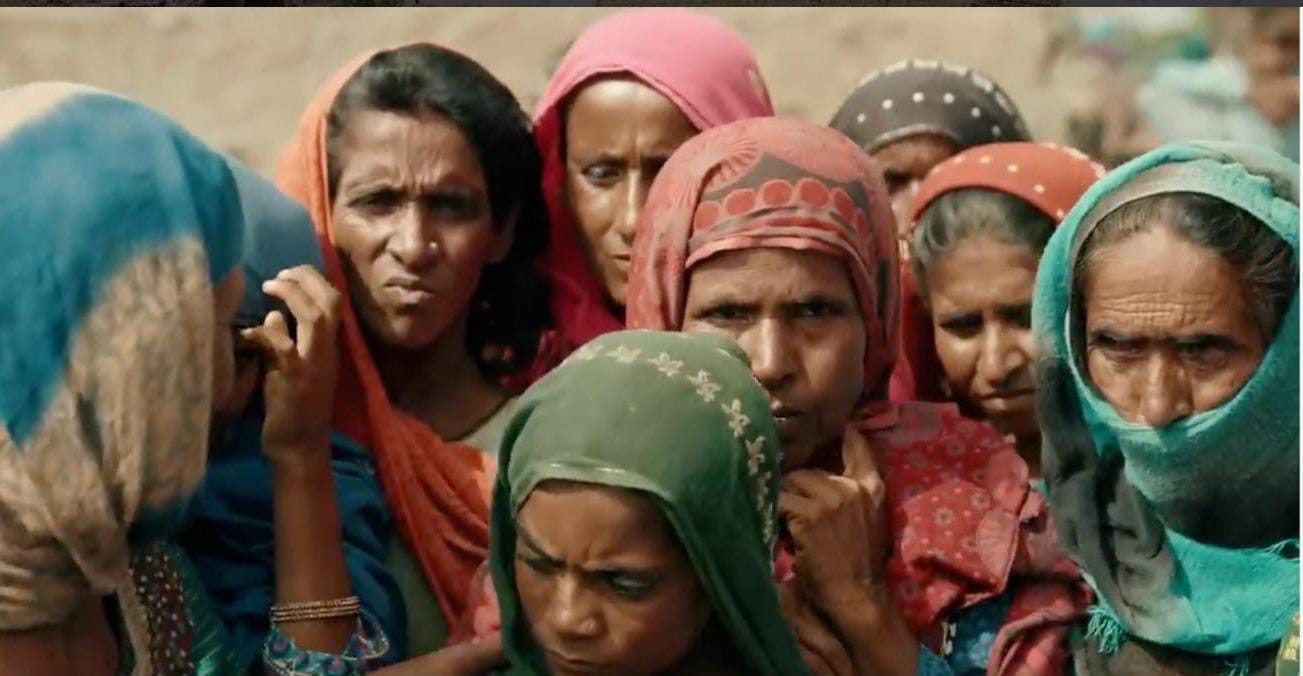
How advancing Sexual and Reproductive Health Rights (SRHR) for Women and Climate Migrant Communities in Pakistan.
When we talk about climate change in Pakistan, we often focus on rising temperatures, devastating floods, droughts, and disappearing livelihoods. Yet one of the most overlooked consequences is its impact on women’s health, dignity, and Sexual and Reproductive Health and Rights (SRHR).
The catastrophic floods of 2022 displaced over 33 million people and exposed the deep inequalities that climate disasters create. Thousands of pregnant women were left without access to maternal healthcare, safe delivery services, family planning, and menstrual hygiene facilities. Women and girls living in temporary camps faced increased risks of gender-based violence, early marriage, and interrupted healthcare. For climate migrant families, survival often meant putting health and reproductive rights aside.
Although Pakistan contributes less than one percent of global greenhouse gas emissions, it remains among the countries most vulnerable to climate change. Climate change is no longer only an environmental issue it is also a public health issue, a gender equality issue, and a human rights issue.
Recognizing these challenges, the Government of Pakistan has taken important steps through the National Climate Change Policy (2021), the National Adaptation Plan (NAP 2023), and its Nationally Determined Contributions (NDCs 2021) under the Paris Agreement. These frameworks acknowledge the importance of protecting vulnerable populations and promoting climate resilience.
Pakistan has also developed a Gender and Climate Change Action Plan (GCCAP), which aims to integrate gender equality into climate policies, strengthen women’s participation in climate governance, and improve resilience among women and marginalized communities.
These commitments provide a strong policy foundation.
However, implementation at the community level remains a challenge. Sexual and Reproductive Health and Rights are still rarely integrated into climate adaptation, disaster preparedness, and humanitarian response planning. During climate emergencies, access to reproductive healthcare, maternal health services, and psychosocial support is often disrupted, particularly in remote and underserved areas.
Women, Indigenous peoples, climate migrants, transgender persons, persons with disabilities, and low-income communities are among those most affected. Yet they are often excluded from climate decision-making despite possessing valuable knowledge and lived experience that can strengthen community resilience.
Climate justice requires more than environmental protection—it requires protecting people and their rights. It means ensuring that women can safely access reproductive healthcare during emergencies, that adolescent girls have dignity and privacy, and that climate-displaced families are not left behind in humanitarian responses.
Moving forward, Pakistan has an opportunity to transform its climate commitments into meaningful action. Integrating SRHR into national and provincial climate adaptation strategies, disaster risk reduction plans, and humanitarian responses would reinforce the implementation of the National Climate Change Policy and the Gender and Climate Change Action Plan. It would also contribute to achieving the Sustainable Development Goals, particularly SDG 3 (Good Health and Well-being), SDG 5 (Gender Equality), and SDG 13 (Climate Action).
Building resilience is not only about stronger infrastructure or early warning systems. It is also about stronger health systems, gender-responsive policies, inclusive governance, and ensuring that every woman, every climate migrant, and every marginalized community can exercise their rights, even during times of crisis.
As Pakistan continues to confront the realities of climate change, we must move beyond viewing climate action and SRHR as separate agendas. They are deeply connected. A climate-resilient Pakistan is only possible when women, girls, Indigenous peoples, and climate migrant communities can live safely, access essential healthcare, and participate equally in shaping the country’s future.
We need to understand Climate justice is about protecting the planet & SRHR is about protecting people. Pakistan needs both to build a truly resilient and inclusive future.
About: Tanveer Ismat Aleem:
Tanveer Ismat Aleem is a researcher, advocate, and emerging leader dedicated to advancing Sexual and Reproductive Health and Rights (SRHR), climate justice, and youth engagement. She is passionate about empowering Indigenous and migrant communities through leadership development, advocacy, and community-driven initiatives that promote equality, resilience, and lasting social change.
Leave a Reply